Tennis Spectator Etiquette
Tennis Spectator Etiquette: What Fans Should Know Before a Pro Tournament
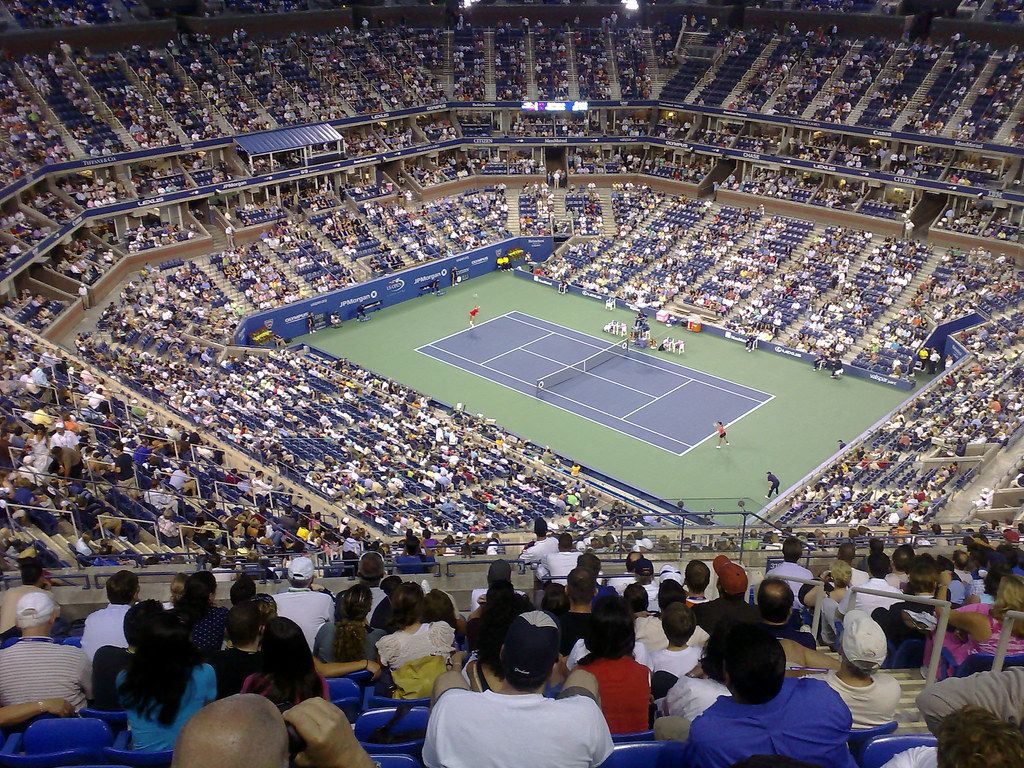
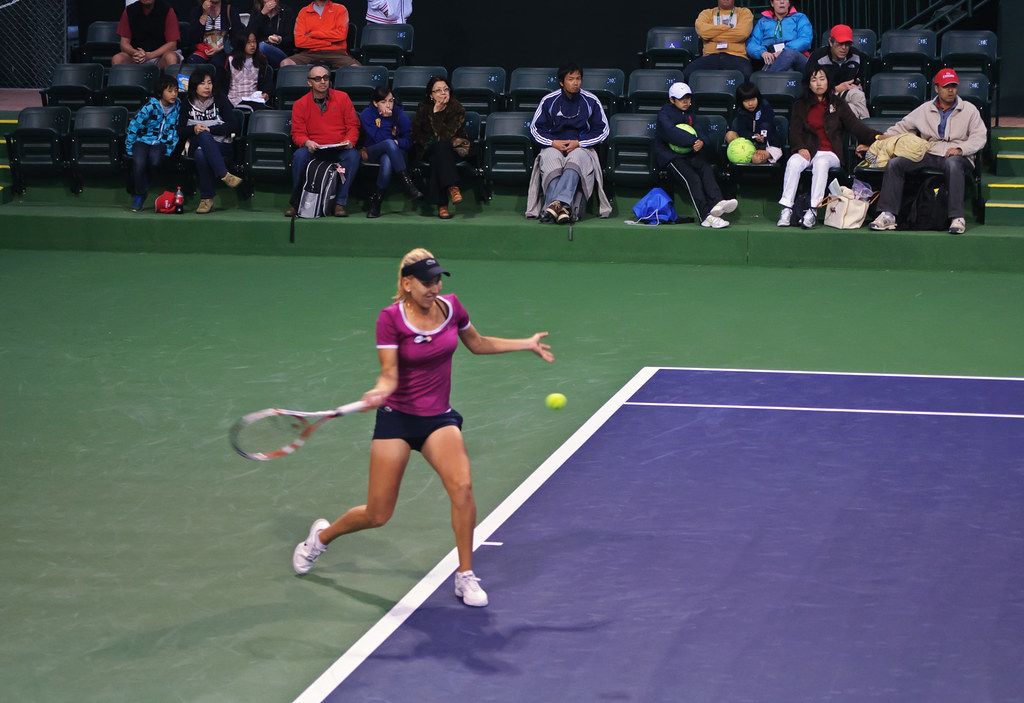
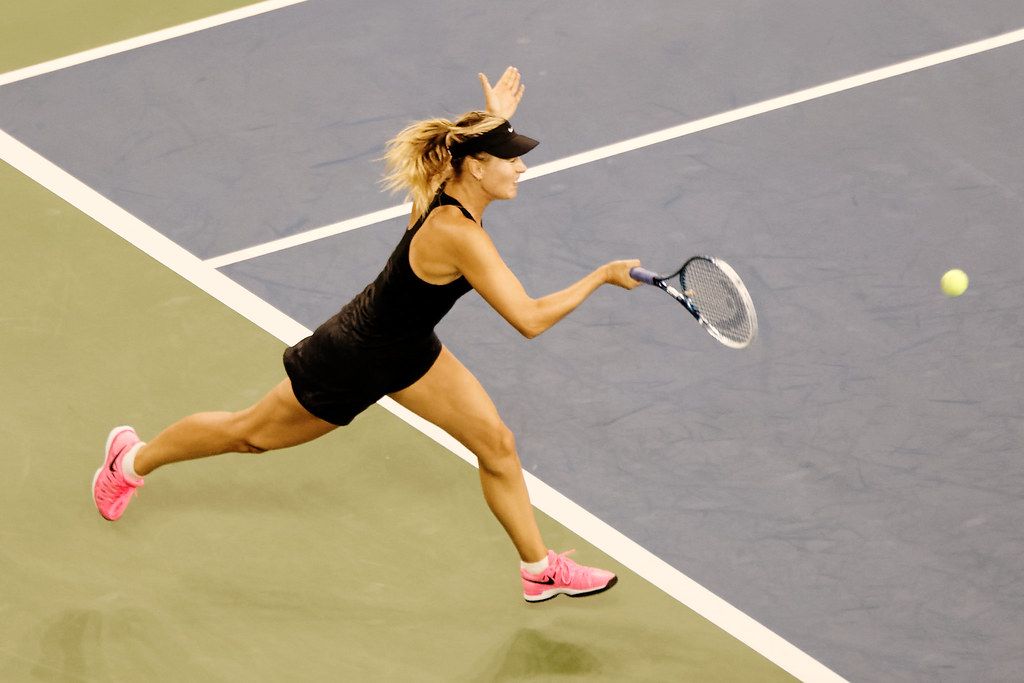
Watching professional tennis live is different from watching football. The players need quiet to serve and return, and the chair umpire has the authority to keep the crowd in order. A few simple habits make the day better for everyone around you.
The umpire runs the court
In a match with a chair umpire, the umpire is the final authority on all questions of fact. Their duties include using "best efforts to control the crowd" and, when spectators disturb the match, addressing them respectfully and asking for their cooperation. The umpire also directs the ball kids, who help the players without getting in their way.
Spectators have no part in the match itself. The ITF Rules of Tennis say a player may not ask a spectator to help make a call, and a USTA rules publication puts it simply: "spectators never make calls". Shouting "out!" from the stands can distract a player mid-rally and may lead the umpire to replay the point.
When to sit, clap and stay quiet
- Move only at the change of ends. Players change ends after the first game of each set and then after every odd game. That is the moment to take your seat or leave it. Ushers often hold spectators at the entrance until then.
- Silence during the point. From the moment the server prepares to serve until the point ends, stay quiet and still.
- Applaud after the point. Clap good rallies and winners; do not cheer an opponent's double fault or unforced error.
- Phones on silent, no flash. Flash photography is distracting and banned at most events.
- Calling out. A short "come on" between points is part of the atmosphere; comments during the point are not.
Outer courts and qualifying days are more relaxed: you are close to the players and can often walk between courts. The same basic rules still apply.
Bags, security and local rules
Each tournament sets its own entry rules, so there is no universal list. As an example, the BNP Paribas Open allows one clear bag no larger than 12 x 6 x 12 inches plus a small clutch, and the Cincinnati Open does not permit backpacks and bans selfie sticks and professional cameras without media credentials. At both, prohibited items found at inspection must be taken back to the car or thrown away. Before you travel, look for the tournament's "know before you go" or bag-policy page.
This guide is general information. Clubs, tournaments and manufacturers set their own rules and change them; check the official source named in the text.