When a Player Retires
What Happens When a Tennis Player Retires During a Match?
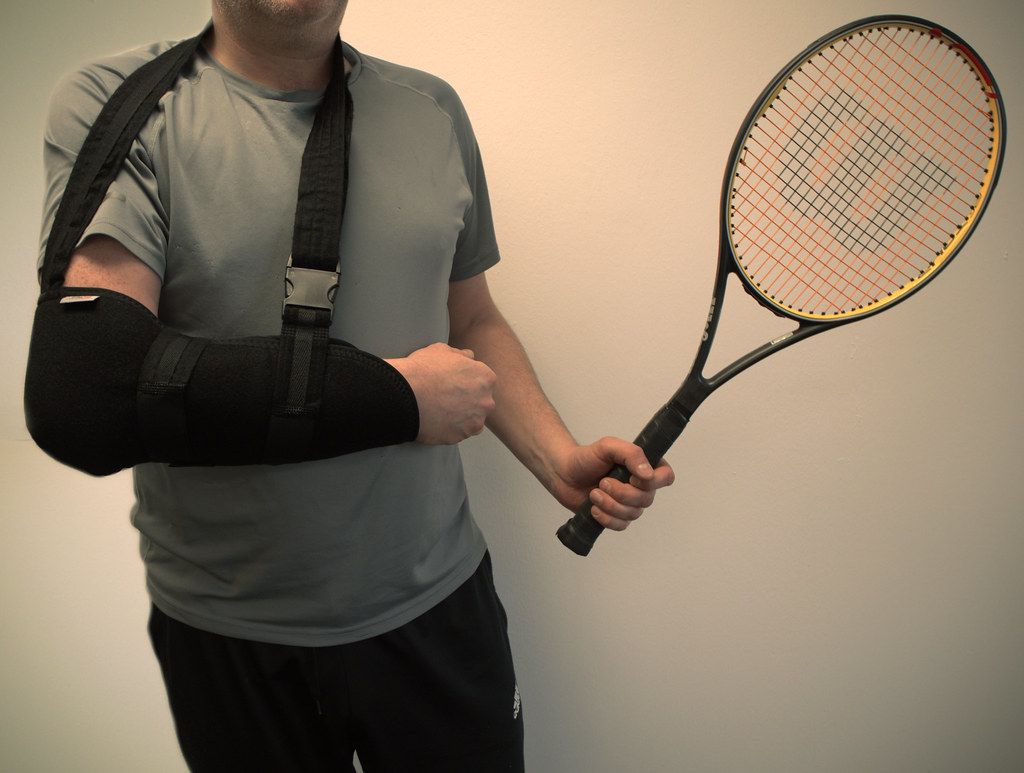
When a tennis player stops during a match, the result is recorded as a retirement. It is one of three ways a match can end without the last point being played: retirement, walkover and default. Each is written differently on the draw sheet and has different consequences for ranking points and prize money.
Retirement, walkover, default
A retirement (ret.) happens when a player starts the match but cannot finish it, usually because of injury or illness. The opponent wins and moves on. A walkover (w/o) happens when a player withdraws before the match starts, so it is never played. A default (def.) is a disqualification: the chair umpire or supervisor ends the match because of a code-of-conduct breach, such as hitting a ball at a spectator or official.
Before a retirement there is often a medical time-out. The rulebooks let a player be evaluated by the physio and, if needed, receive treatment. If the treatment does not work, the player retires; the rules also allow more time for treatment after the evaluation in some cases.
Points and prize money
The tours treat these results differently. Under the ITF World Tennis Tour regulations, a player who retires in any round receives the loser's points and prize money for the round she retired from, just as if she had lost the last point. The player who advances counts the match as won.
Walkovers are more complicated. Under the same regulations, a first-round walkover does not award points on its own; a player who receives a walkover and then loses gets the points from the round before. A player who has already won a match and then receives a walkover is credited with the round reached. The ATP Rulebook treats a match won by retirement, default, walkover or no-show as played for prize-money purposes.
A default is the harshest outcome. The advancing player is awarded the points, and the defaulted player can also face fines and, at many events, lose the points and prize money earned at that tournament.
Doubles and lucky losers
In doubles the team is treated as one: if one partner cannot continue, the team retires. A retirement during a match does not bring in a lucky loser, because the match has started. Lucky losers only replace players who withdraw before their first match begins. For the exact treatment in a particular event, check the ATP, WTA or ITF rulebook for the current season.
Rules, point tables and prize money are set by the tours and the ITF for each season. Check the official source named in the text before relying on a figure.