Electronic Line Calling Explained
How Electronic Line Calling Works in Professional Tennis
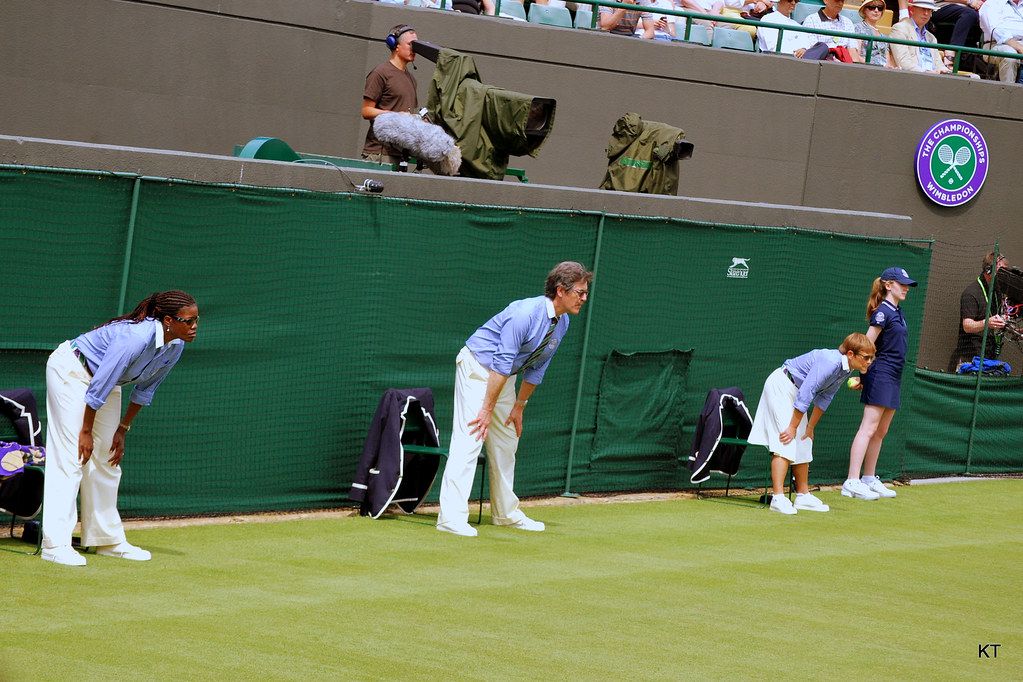
Electronic line calling has changed how professional tennis is officiated. For decades, line judges called the ball and players could challenge a limited number of calls. Today many events let a camera system make every call on its own, and the ATP announced that live electronic line calling would be used at all ATP Tour events from 2025.
Review mode and Live mode
There are two ways a tournament can use the technology. In Review ELC, line judges stay on court and call the ball as usual, and players can ask for an electronic review. Under the ATP Rulebook a challenge is allowed only on a point-ending shot or when a player stops play during the rally. The replay shown on the big screen comes from this mode.
In Live ELC, there are no line judges. As the ATP Rulebook puts it, all lines are called by the Live ELC system, and the call is announced automatically, often with a recorded voice saying "out" or "fault". Players cannot challenge those calls. A Review Official on site is responsible for the system during the match.
How the system sees the ball
The USTA describes the technology in simple terms: high-speed cameras, sensor arrays or, in some systems, lasers track the ball's flight, the trajectory is plotted in real time, and the landing spot is measured against the lines. Several cameras around the court film every shot, and software combines their pictures into one track.
The result is a call in a fraction of a second, without a human judgement. That does not mean the system is perfect: it works to a stated margin, and tournaments publish an operating procedure for what happens if the system fails during a match.
What it changes for players and fans
Live calling makes matches quicker, because there are no challenges, and it removes arguments about close calls. It also means fewer officials on court and a different role for the chair umpire, who still rules on everything else: lets, hindrances, time violations and code violations. Some events and many lower-level tournaments still use line judges, with or without reviews.
If you want the current rules for a specific tour, the ATP Rulebook and the LTA's guide "Working with Electronic Line Calling" explain both modes; the USTA's page on electronic line calling gives the technical overview.
Rules, point tables and prize money are set by the tours and the ITF for each season. Check the official source named in the text before relying on a figure.