Running Shoes on Court?
Can You Play Tennis in Running Shoes?
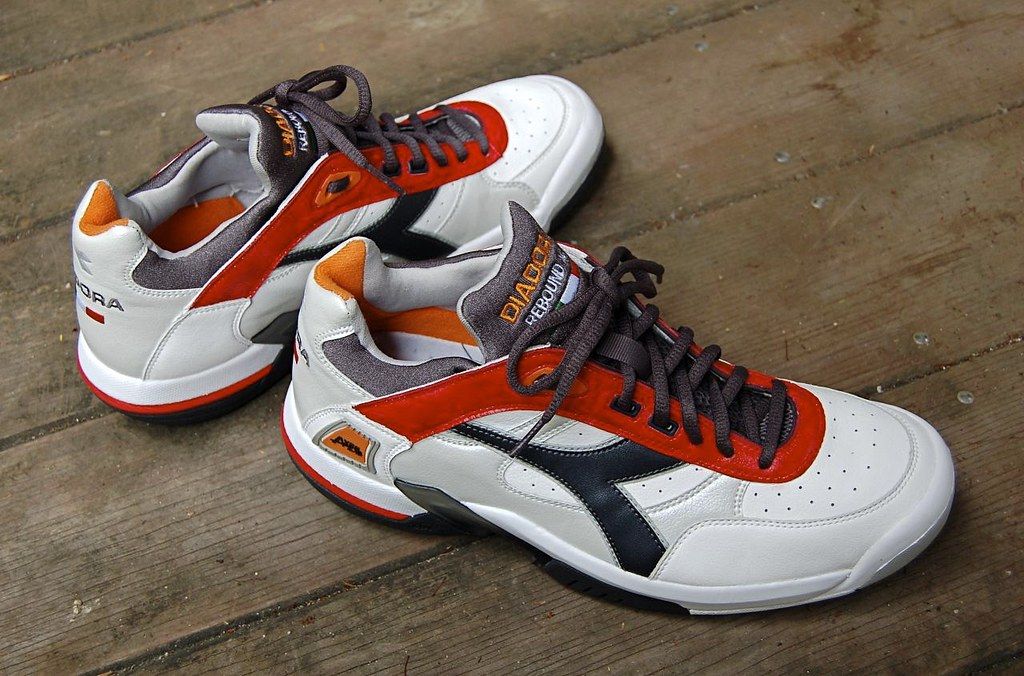
The short answer: you can hit a few balls in running shoes, but for regular play you should not, and many clubs will not let you. Tennis shoes are built for a different kind of movement, and most venues require non-marking soles.
Why the shoes are different
Running shoes are designed for forward motion. They have soft, thick cushioning, a raised heel and a tread made for road or trail. Tennis is played sideways as much as forwards: players stop, change direction and slide. An ITF footwear document notes that tennis shoe design uses a firmer, harder midsole and a wider heel base at the outsole, which keeps the foot stable during those lateral movements.
In a running shoe, a sudden sideways stop can roll the foot over the edge of the soft sole, and the ankle goes with it. The thin, flexible upper gives little support on a quick change of direction. Hard courts also wear out running-shoe soles fast, because they are not made for dragging and sliding.
What the rules say
At professional level, the ITF equipment regulations require players to wear tennis shoes "generally accepted as proper tennis attire", which must not damage the court beyond normal wear. For grass-court events only rubber-soled shoes without heels, ribs or studs are allowed, and for clay events players must wear shoes accepted for play on clay. A supervisor can order a player to change shoes that do not meet the criteria.
Clubs apply the same idea. Many require tennis shoes or shoes with flat, non-marking soles, and some explicitly ban jogging shoes, cross-trainers and dark soles because they mark the court. Clay clubs care about the sole pattern, because deep treads damage the surface.
For a first lesson
If you are trying tennis for the first time, a clean pair of trainers with flat, light-coloured soles is often acceptable for a lesson; ask the club or coach in advance. If you keep playing, buy tennis shoes with the right outsole for your usual surface — an all-court or hard-court sole for most clubs, a herringbone sole for clay. Your ankles, and the club's courts, will thank you.
This guide is general information. Clubs, tournaments and manufacturers set their own rules and change them; check the official source named in the text.