How Often to Restring
How Often Should You Restring a Tennis Racquet?
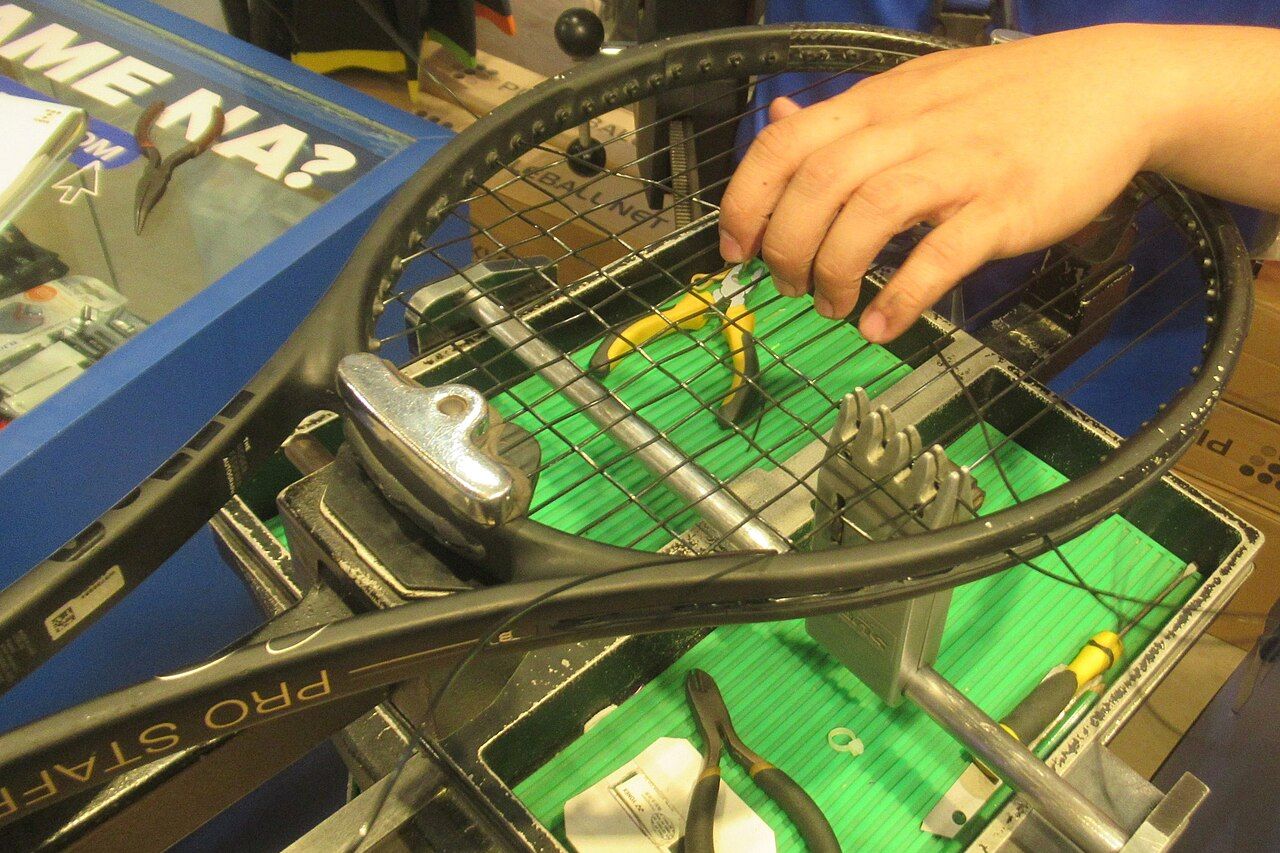
The old rule of thumb is simple: restring your racquet as many times a year as you play in a week. If you play twice a week, restring twice a year. Wilson gives the same example on its guidance pages: once a week means once a year. It is a useful starting point, not a law.
Why the string type matters
Strings lose tension and elasticity from the moment they go in, even if you do not play. How fast they do it depends on the material. General tennis guides give rough estimates in playing hours:
| String type | Typical playing life |
|---|---|
| Polyester | 10–20 hours |
| Multifilament and synthetic gut | 25–40 hours |
| Natural gut | 30–50 hours |
Polyester is the one that catches players out. Because it rarely breaks, it can stay in the racquet for months after it has lost its playability. A player who plays three hours a week with polyester may need a new string job every month or two, far more often than the rule of thumb suggests.
Signs your strings are dead
- Balls that used to land in start going long, because the string bed has lost control.
- The strings no longer snap back into position after contact and stay shifted.
- The racquet feels dull or lifeless in the hand.
- Contact makes a dull "thud" instead of a sharper sound.
If you notice more than one of these, restring, even if the strings have not broken.
A practical routine
Keep a note of the date and string of each restring, or ask your stringer to label the racquet. Count your playing hours rather than months. Club players who use polyester and play regularly usually benefit from restringing well before the calendar says so; players using multifilament can follow the rule of thumb more closely. Professionals take this to the extreme, having racquets restrung during tournaments, but for most club players a fresh string job at the start of each season, plus one every few dozen hours of play, is a sensible routine.
This guide is general information. Clubs, tournaments and manufacturers set their own rules and change them; check the official source named in the text.